
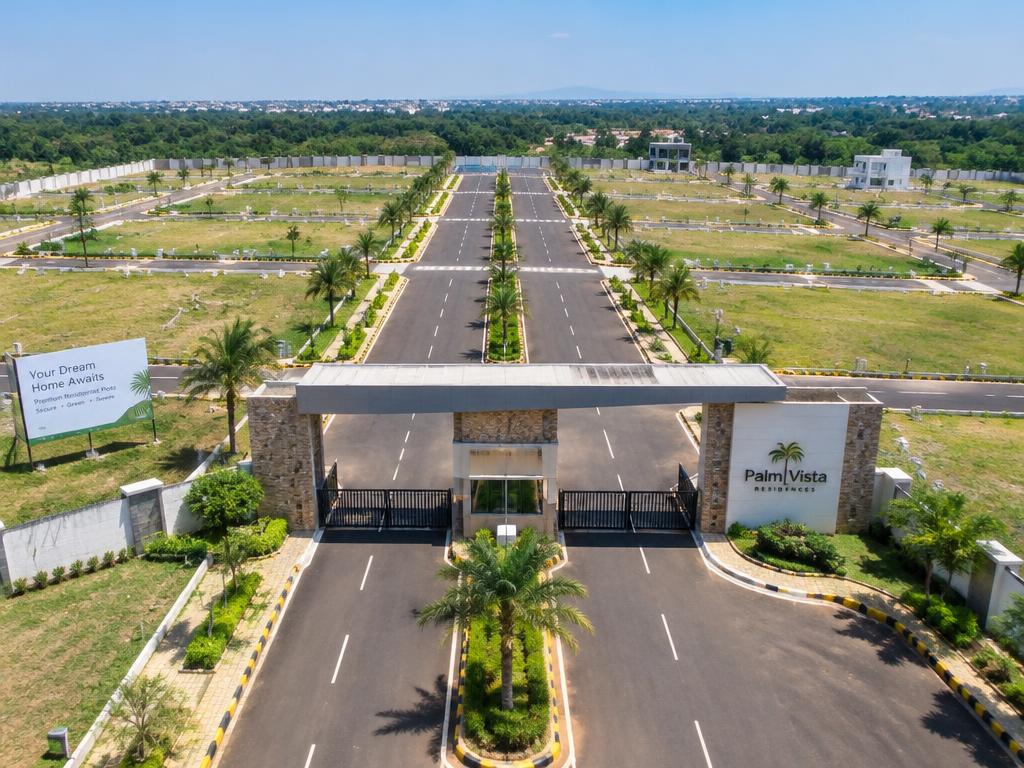
Property Registration
Complete documentation, accurate charges and a smooth registration — handled by experienced legal experts.
Documents Required
Your registration checklist
Buyer Documents
- PAN card
- Aadhaar card
- Passport-size photographs
- Address proof
Seller Documents
- PAN & Aadhaar card
- Original title / sale deed
- Mother deed / link documents
- Latest property tax receipts
Property Documents
- Encumbrance Certificate (EC)
- Approved building plan / layout
- Khata certificate & extract
- Occupancy / completion certificate
Registration Process
Six clear steps
Document Verification
Our legal team checks title, EC and approvals.
Sale Deed Drafting
Deed drafted with exact property details and terms.
Stamp Duty Payment
Charges calculated and paid online.
Slot Booking
Appointment booked at the sub-registrar office.
Registration
Signatures, biometrics and photos of all parties.
Mutation & Handover
Registered deed delivered; khata transfer initiated.
Government Charges
Know your costs upfront
Stamp Duty
5% of property value
Registration Fee
1% of property value
Indicative rates. Actual charges vary by state, property type and guidance value — we confirm exact figures during consultation.
Charges Calculator
Estimated Total
₹ 3,00,000
FAQ
Common questions
How long does property registration take?
Once documents are verified and stamp duty is paid, registration is usually completed in a few working days.
Who pays the stamp duty?
Typically the buyer pays stamp duty and registration fees, unless agreed otherwise in the sale agreement.
Do both buyer and seller need to be present?
Yes, both parties and two witnesses usually need to be present at the sub-registrar office for signatures and biometrics.
What is an Encumbrance Certificate?
It confirms the property is free from legal dues or mortgages. We obtain and verify it for you.
Can you help with mutation / khata transfer?
Yes, we handle post-registration mutation, khata transfer and property tax records.